
Tag: children

Fathers Day After Divorce

Father’s Day After Divorce

Father’s Day after divorce can be difficult to think about. For many divorced Fathers out there, this holiday can serve as a harsh reminder of the most painful loss from the divorce: Time with their children.

However, this special holiday can reinforce the fact that you are always there for them. You may still be feeling hurt and resentful, but Father’s Day is not all about you and is also about your kids.

No matter how much time you actually get to spend with your children on Father’s day , you need to make the effort to show your kids you love them and are there for them to the fullest extent. Planning something fun and meaningful will express how much you care.

When planning your Father’s Day, keep the following in mind.

Leave your resentment at the door

It is fairly common to hold a grudge towards your ex for a long time after the divorce, and it can be even more or an issue if the divorce was recent. Put all your negative feelings away while you are working to make it a special day for your children.

Plan ahead

Winging it may be more of your style, but to make the most out of the time you have with your kids on Father’s Day, planning ahead is super important. Figure out your children’s schedules in advance and plan accordingly, as well as some contingency ideas for situations where something falls through.

Use technology

Even if you are unable to see your children in person you can still use technology to show them you care about seeing them. Video chatting apps such as Facetime, Skype, and other camera apps will allow you to see your kids face to face.

Focus on Quality time

Some fathers may not be able to spend the entire day with their kids, others will be limited to just a few hours and there are still more who will not get to see their kids at all. However, the amount of time you spend isn’t what matters — it’s how you spend it.

Money doesn’t matter

Don’t be ashamed if you cannot go afford expensive plans. It’s very common and completely understandable that divorce wreaks havoc on bank accounts.

Be Creative

Don’t just sit and watch TV together, get active and creative! Even things as simple as going to a park, a local pool, on a hike, fishing or crafting some kind of project together will strengthen your bond with your children.

Contact your Father

Don’t neglect your own father on Father’s Day! The chances are you won’t have your kids for the whole day, so take a moment after your children have left to reach out to your own father. Even getting your whole side of the family together will be a good experience for your father and your children.

If you feel that your custody plan is unfair, Tammy Karas-Griggs can help. It’s important for all children to see both of their parents. Happy Father’s Day from Tammy Karas-Griggs.

children

Children With Parents In Prison, Are Doing Time Too

Richard A. Webster of NOLA.com writes:

20034871-mmmain

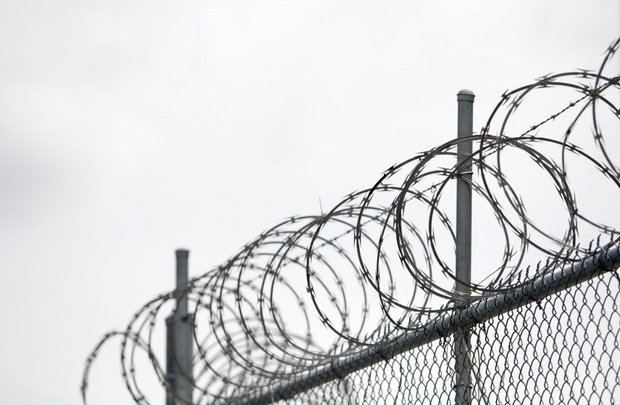
Millions of children in the United States, including 94,000 in Louisiana, have a parent who has served time in prison. And the loss of that father or mother has had a devastating effect on their lives, damaging their health and reducing their chances for future success, according to a report released Monday (April 25).

“A Shared Sentence” by the Annie E. Casey Foundation found that the number of children with a father in prison increased 500 percent from 1980 to 2000, the result of a national tough-on-crime, mass incarceration trend. Today, more than 5 million children have had a parent incarcerated at some point, and that number is likely higher as the report takes into account only those parents who at one time lived with their children.

“Louisiana has one of highest rates of single parents in the country,” said Teresa Falgoust of Agenda for the Children in New Orleans. “We have dads who are non-custodial, who have had a big impact on their children’s lives, but who don’t necessarily live in the household. So I would hazard to guess that the number is significantly higher than 100,000.”

These children – typically African American and living in low-income neighborhoods — are at a greater risk than children whose parents did not go to prison of developing mental health issues, dropping out of school and becoming homeless, according to the report. Their mothers, who are left with the burden of supporting the family, are at greater risk for drug and alcohol addiction, depression and anxiety.

A recent survey by the Ella Baker Center for Human Rights found that 65 percent of families with a parent in prison are unable to meet their basic needs such as food, housing, utilities and medical care. “Thousands of dollars in court-related fines and fees, along with costly visits to maintain contact, landed nearly one third in debt,” the authors of the study wrote.

“Even when incarceration is short term, it really creates a long-term impact, much longer than society probably intends,” said Dr. Anthony Recasner, chief executive of Agenda for Children in New Orleans. “We need to punish adults for their crimes, but don’t want to destroy their ability to have a family or their children’s ability to contribute to society.”

Mass incarceration has devastated the neighborhoods where these children live, tearing apart social networks and decreasing the odds that the community will fill the void left by imprisoned fathers and mothers, the study found.

“Even for residents who have had no contact with the criminal justice system, heightened police vigilance can cast a shadow over their children, families and homes,” the authors wrote. “If incarceration rates hadn’t increased during a 24-year period, the U.S. poverty rate would have fallen by 20 percent, rather than remaining relatively steady.”

The downside of imprisoning parents could be mitigated if state and local agencies created a support network for the families left behind, according to the report. The goals of these programs would be to keep the remaining family members strong, both emotionally and financially, while also working with prisons to ensure imprisoned parents can maintain a relationship with their children.

“State and federal criminal justice systems should … require courts to inform local social service agencies and community-based organizations when a parent is incarcerated so that they can make contact with families,” the report states. “Prison and jails also should … provide transportation and family-friendly visiting centers in their facilities or offer other means of communication, including videoconferencing.”

The report points out programs in several states that work to accomplish these goals. Hawaii for example, requires that the director of public safety place incarcerated fathers in prisons that are close to home to ensure their “ability to maintain bonds with their children.”

States also should eliminate employment and housing barriers for men and women returning home from prison, ensure that families of ex-convicts can access public assistance programs, such as food stamps, and suspend “child support orders while parents are in prison so they don’t accumulate crippling debt that they must start paying upon release,” according to the study.

“Without a doubt, people who break the law should face the consequences,” the report concludes. “Still, parents who are incarcerated do not live in isolation: They are fathers, mothers, partners, caregivers, breadwinners and community members, and their kids inevitably end up sharing their sentences. The confinement of a parent should not doom a child to a lifetime of closed doors.”